
 العربية
 Русский
 اردو
اردو
 中文
中文
 Français
Can Consumers Be Charged Extra Fees for Electronic Payments?
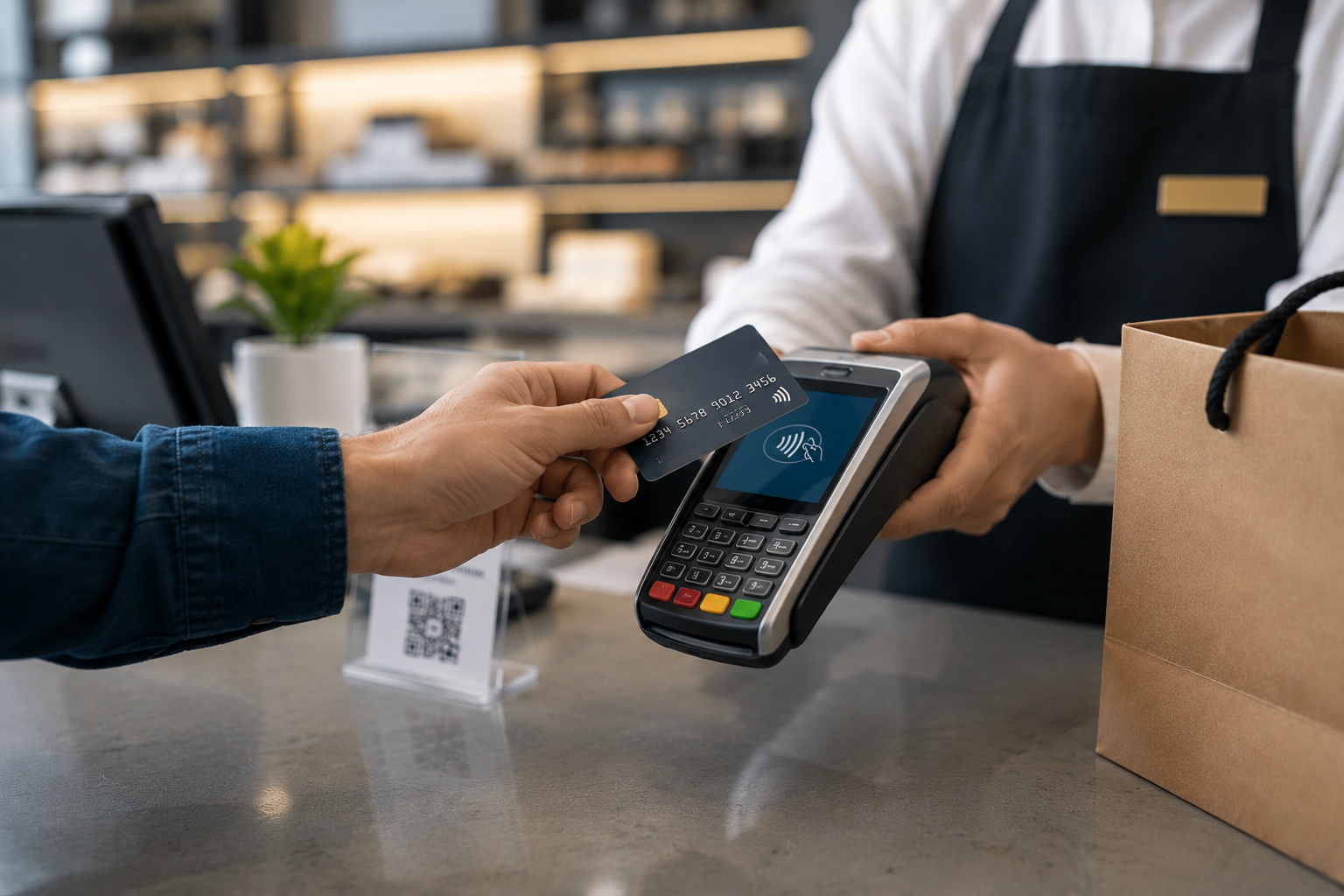
With the significant expansion in the use of bank payment cards, digital wallets, and electronic payment methods in the UAE, many consumers are surprised when completing a purchase to find additional amounts added under names such as 'payment gateway fees' or 'bank card fees' or 'processing fees'. This issue gains special legal importance in light of the UAE legislator's commitment to consumer protection, ensuring price transparency, and preventing practices that impose undisclosed or unjustified costs on consumers.
Consumer Protection
With the significant expansion in the use of bank payment cards and digital wallets,
Is it permissible to charge consumers electronic payment gateway fees in the UAE? A legal reading in light of the Consumer Protection Law.
What are electronic payment gateway fees?
Electronic payment gateway fees are the amounts charged by banks or payment service providers to merchants for processing card payments or other electronic means. These fees are essentially part of the merchant's operational costs and are not a burden imposed on the consumer.
- Bank card processing fees
- Global payment network commissions
- Electronic payment service provider fees
- Electronic collection fees
Is it permissible for merchants to charge consumers these fees?
In principle, consumers are obligated to pay the advertised price of the goods or services, and merchants should bear the operational costs associated with their activities, including the costs of accepting electronic payment methods.
The difference between payment fees and service fees
It is important to distinguish between two completely different cases in terms of their nature and legal assessment:
Amounts added solely because the consumer chose to pay by card or an electronic method. They do not reflect any independent service and are exclusively related to the payment method, making them more likely to raise legal issues.
Amounts for an actual independent service that are clearly disclosed to the consumer before the contract is finalized. This case is not related to the payment method but rather to the nature of the service provided, and its legal assessment differs.
The importance of prior price disclosure
One of the fundamental principles of consumer protection is that the price should be clear and known before the contract or purchase is finalized, and that the consumer should be able to know the full actual cost without being surprised by additional fees at the moment of payment.
| Behavior | Judgment in terms of disclosure |
|---|---|
| Announcing the total price including all fees before payment | In line with transparency principles |
| Displaying additional fees only on the payment page | May constitute a violation of disclosure requirements |
| Adding fees after the transaction is completed without prior notification | A clear violation of consumer protection principles |
| Mentioning fees in the terms and conditions in small, inconspicuous print | A point of dispute that requires legal assessment |
Merchant obligations towards the consumer
The merchant is obligated to a set of legal requirements related to transparency and disclosure according to the consumer protection system:
What are the consumer's rights when undisclosed fees are imposed?
If the consumer believes they have been charged undisclosed or unjustified fees, they can take the following steps:
Documents to be kept
In any dispute related to electronic payment fees, these documents are important elements in proving the facts:
- Invoices and payment receipts
- Screenshots of the electronic payment page
- Terms and conditions presented before payment
- Text messages or emails
- Bank statements
- Any correspondence with the merchant regarding the fees
Important legal advice for the consumer
- Read the full price details before confirming the payment process and check for the absence of any unexpected additional fees
- Inquire about any additional amount that appears during the payment process before completing it
- Always keep invoices and payment receipts and screenshots of what you actually paid
- Do not rely solely on verbal information — request written confirmation for any fees
- Document any additional fees that appear without prior notice and communicate with the merchant in writing
- Seek legal advice when there is a dispute regarding large amounts or recurring practices
Most common questions about electronic payment fees in the UAE
Conclusion
Transparency and clear disclosure of prices and fees are fundamental principles underlying the consumer protection system in the UAE. Therefore, consumer awareness of their rights and the merchant's obligation to fully disclose costs contribute to enhancing trust in commercial transactions and reducing disputes.
It remains essential to review each case according to its specific circumstances, especially in activities subject to special regulations that may affect the nature of the permissible fees and their collection mechanisms.
Specialized legal consultation
Whether you are a consumer seeking to know your rights or a merchant wanting to verify the compliance of your practices with the law, the team at Awad Al-Muhairi Law Office and Legal Consultations studies your case and provides you with specialized legal opinion.