
 العربية
 Русский
 اردو
اردو
 中文
中文
 Français
Social Media Advertising and What is an Advertiser Permit?
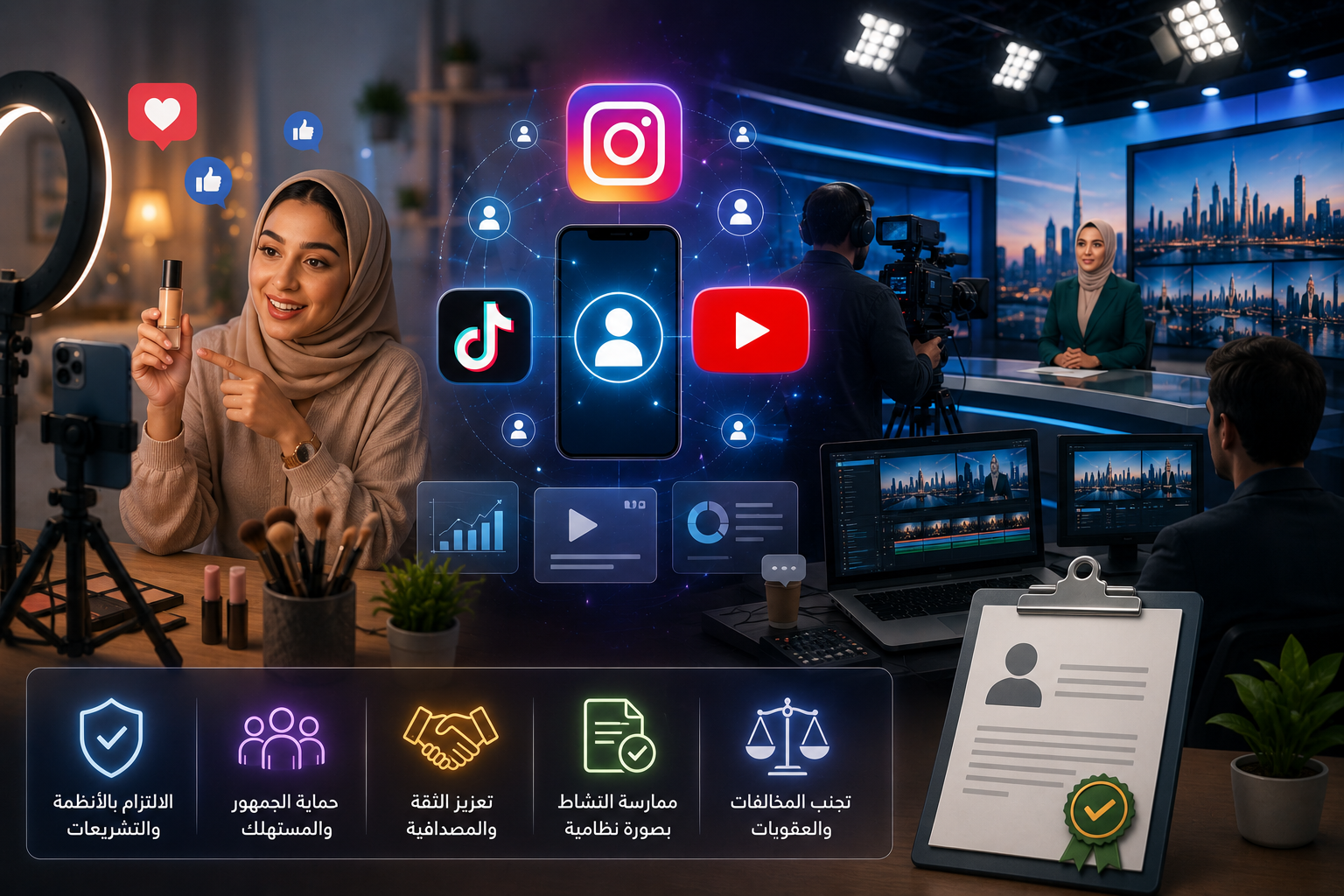
The content and digital advertising industry in the UAE has witnessed significant growth, with influencers and content creators becoming essential parts of the media and marketing ecosystem. In light of this development, regulatory bodies have been keen to establish a legal framework that governs advertising activities on digital platforms to enhance transparency and protect the public. The importance of the advertiser permit lies in enabling individuals to engage in advertising activities legally and avoid violations that may arise from publishing promotional content without meeting legal requirements.
Digital Media and Marketing
Advertiser Permit for Influencers in the UAE: Who Needs It and What Are the Conditions and Legal Responsibilities?
What is an Advertiser Permit?
An advertiser permit is a regulatory authorization that allows an individual to present advertising or informational content via social media and modern technological means, in accordance with the conditions and regulations set by the relevant authority.
Who Needs an Advertiser Permit?
The permit targets individuals who provide advertising or promotional content through their accounts or digital platforms in exchange for a benefit or financial compensation or within the framework of commercial and advertising collaborations. Importantly, what matters here is the nature of the activity, not the number of followers.
| Category | Do You Need an Advertiser Permit? |
|---|---|
| An influencer who publishes promotional content for a fee or benefit | Yes — regardless of the number of followers |
| Content creator who enters into commercial collaborations with brands | Yes — within organized advertising activity |
| A person who shares their personal opinions without compensation or agreement | It depends on the nature of the content and its evaluation |
| Business owner who advertises their own products | Subject to regulations on commercial advertising |
The difference between personal content and advertising content
Distinguishing between the two types of content is one of the most important legal issues in this field, and it determines the applicable regulatory requirements:
Content aimed at expressing personal opinions, experiences, or activities without any advertising or promotional purpose, and without any compensation or commercial agreement with an external party.
Content that includes promoting a product, service, or brand directly or indirectly, whether for a fee or benefit or under a commercial agreement, and is subject to regulatory requirements.
Why has the activity of influencers and digital advertising been regulated?
The objectives of the legal regulation of this sector are multiple and integrated:
- Enhancing transparency in digital advertising
- Protecting consumers from misleading advertisements
- Regulating the advertising market across platforms
- Raising the level of credibility and professionalism
- Clearly defining legal responsibilities
- Ensuring content complies with applicable regulations
Legal responsibilities of the influencer or advertiser
Engaging in advertising activity entails multiple legal and professional responsibilities that the influencer must be adequately aware of:
The importance of disclosure and transparency in advertising content
Transparency is one of the fundamental principles governing modern digital advertising. The audience should be able to clearly distinguish between personal content and advertising content.
The role of the lawyer in regulating influencer activities
Specialized legal consultation helps influencers, content creators, and brand owners understand regulatory requirements before falling into violations. The lawyer's role includes:
- Reviewing advertising contracts and their clauses
- Consulting on permit requirements
- Assessing the legal risks of the content
- Reviewing contractual obligations
- Evaluating the compliance of advertisements with regulations
- Representation before the competent authorities when necessary
Legal tips for influencers and content creators
- Ensure that all regulatory requirements are met before engaging in any advertising activity or launching a marketing campaign
- Document advertising collaborations with clear written contracts that specify the rights and obligations of all parties
- Clearly disclose to the audience any sponsored, paid, or commercially linked content
- Review the regulations specific to each product or service you promote before publishing any advertising content
- Ensure the protection of intellectual property rights and request the necessary licenses to use any content
- Keep copies of contracts and correspondence related to advertising collaborations for a sufficient period.
- Seek legal advice when in doubt about the legality of the content or disclosure requirements.
The most frequently asked questions about the advertiser's permit in the UAE.
Conclusion
The content and digital advertising industry has become an important part of the digital economy in the UAE, which has necessitated the existence of a regulatory framework that ensures a balance between creative freedom and the requirements of transparency and public protection.
Hence, the importance of complying with the requirements for advertiser permits and the regulations governing digital advertising emerges, contributing to building a more professional and credible marketing environment and reducing the legal risks that influencers, content creators, and advertisers may face.
Specialized legal advice
Whether you are looking to understand permit requirements, review your advertising contracts, or assess the compliance of your content with regulations, the team at Awad Al-Muhairi Law Office and Legal Consultations provides you with the specialized advice you need.