 العربية
 Русский
 اردو
اردو
 中文
中文
 Français

Courts & Justice
Sultan bin Ahmed witnesses the conclusion of the first judiciary forum.. Sharjah Public Prosecution investigates 20,000 cases
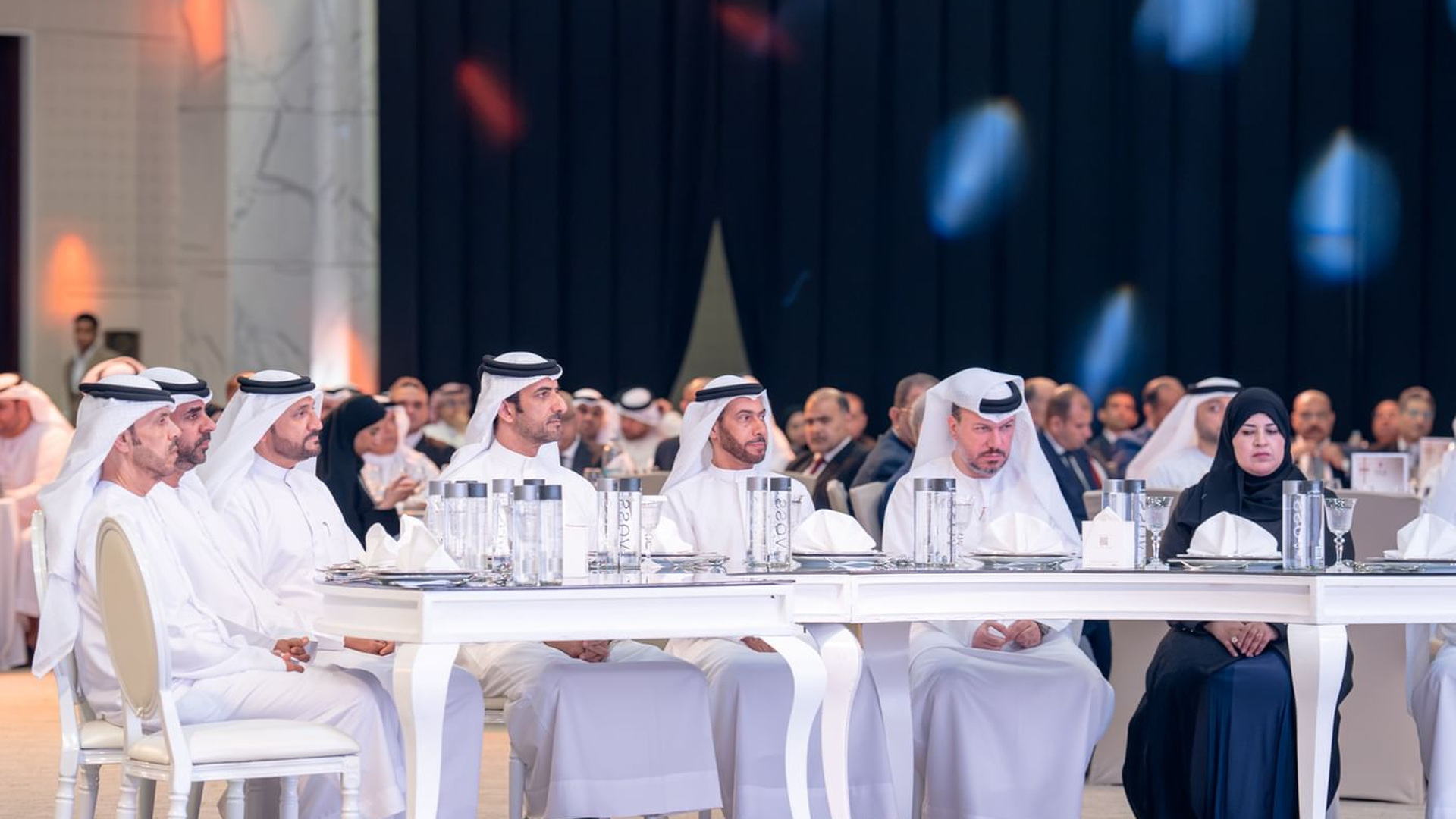
His Highness Sheikh Dr Sultan bin Ahmed bin Sultan Al Qasimi, Deputy Ruler of Sharjah and Chairman of the Judicial Council, attended at midday on Thursday, 8 October 2026, the closing of the First Judicial Authority Members Forum, organised by the Judicial Council at Al Jawaher Reception and Convention Centre. The results of the past judicial year were presented, including the Public Prosecution's investigation of around 20,000 cases.
The news in brief
Around 20,000 cases investigated by the Sharjah Public Prosecution, with 95% of investigations conducted remotely.
97% case disposition rate, in an average of no more than 10 days.
Around 195,000 requests completed at a rate of 99.7%, in an average of one working day per request.
Penalties implemented in 17,408 cases, a 100% completion rate.
Judicial artificial intelligence projects, including preventive justice and the “virtual judicial assistant”.
The ceremony opened with the national anthem, followed by a film about the Judicial Council covering its experience, the development of its bodies and the main services it provides to the public and to members of the judicial authority.
Digital justice and artificial intelligence projects
His Excellency Judge Dr Mohammed Obaid Al Kaabi, Chairman of the Judicial Department, said in his speech that the judiciary in Sharjah has become an integrated system combining a long-standing heritage with modern technology, noting the keenness of the emirate's rulers on justice and the protection of rights. He set out the areas of work: strategy in line with the latest international systems, studies and foresight of the judicial future, professional training and qualification, digital justice, connection with partners and service development, and judicial awareness and media.
He added that the artificial intelligence projects include preventive justice and the “virtual judicial assistant”, and that work is under way to accelerate judicial specialisation towards smart and secure digital justice and to invest in national judicial and administrative talent.
Public Prosecution results
For his part, Counsellor Anwar Amin Al Harmoudi, Attorney General of the Emirate of Sharjah, presented the figures of the past judicial year. He said the Public Prosecution investigated around 20,000 cases, that 95% of investigations were conducted remotely, that the case disposition rate reached 97% in an average of no more than 10 days, and that 99% of the orders issued by the Prosecution were electronic.
He pointed to the completion of around 195,000 requests at a rate of 99.7% and in an average of one working day per request, the handling of all 13,220 legal consultation requests in an average of one day per request, and the implementation of penalties in 17,408 cases at a 100% completion rate.
Judicial inspection and the General Secretariat
Dr Salama Al Ketbi, Chairperson of the Judicial Inspection Department, affirmed that the department is a tool supporting the development of judicial work through follow-up, evaluation, identifying excellence and opportunities for improvement, and turning the results of practice into initiatives, guidance and programmes. She explained that judicial inspection is a partner in development and not merely oversight, and reviewed the department's main work during the past judicial year.
Sheikh Faisal bin Ali Al Mualla, Secretary-General of the Judicial Council, said that what has been achieved is the fruit of integrated efforts among the components of the judicial system within a shared vision, and that the General Secretariat translates the Council's decisions and programmes into practice. He presented the Secretariat's achievements in governance and institutional oversight, including the “Ishaar” initiative, which gives members of the judicial authority access to new legislation, decisions and regulations as soon as they are issued.
Forum recommendations
At the close of the ceremony, His Highness listened to the forum's projects and recommendations produced by the Judicial Accelerators Lab. They covered developing the judicial system in a number of areas using artificial intelligence, developing administrative aspects, and preserving family relationships. He also watched a visual presentation of the answers of members of the judicial authority to the question “How do you see the future of the judiciary?” and listened to their interventions.
Source: Sharjah24